

If you want the best backcountry binding for 2026, the Voile Light Rail Binding Backcountry Kit stands out with durable nylon straps and hardware designed for tough conditions.
It’s lightweight enough to keep your gear nimble without sacrificing performance or power transfer, making it great for all skill levels.
Just make sure it’s compatible with your boots and skis to get the most out of your setup.
There’s plenty more to evaluate for your ideal backcountry binding choice.
Take your time to consider what features matter most to you, like ease of use, weight, and durability.
That way, you’ll find the perfect fit for your adventures.
| Image | Name | Our Rating | Price |
|---|---|---|---|
|
Voile Light Rail Binding Backcountry Kit
|
|
Voile Light Rail Binding Backcountry Kit
- Works with 2016-17 Voile Light Rail Binding
- Incompatible with 2010-2015 Voile Light Rail Binding
Upgrade your 2016-17 Voile Light Rail bindings with the Voile Light Rail Binding Backcountry Kit, designed to enhance your setup’s reliability in harsh backcountry conditions. This kit addresses common wear and tear issues by providing durable replacement straps and hardware that keep your bindings secure on challenging terrain.
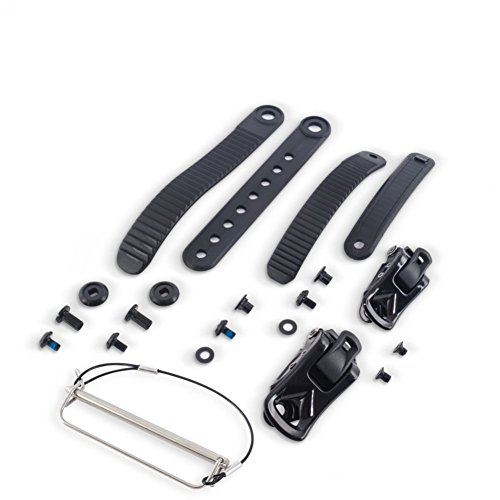
The kit includes nylon ankle and toe ladder straps, buckles, and all necessary hardware for one binding. These components are crafted to withstand tough environments, ensuring your gear performs consistently during intense snowboarding sessions. Maintenance becomes straightforward with this easy-to-install kit, helping you extend the life of your bindings without hassle.
Specifically engineered for 2016-17 models, the kit ensures a precise fit and compatibility, preventing any misalignment or functional issues. Its robust nylon materials resist abrasion and weather damage, making it a practical choice for backcountry riders who demand durability and steady support.
While it weighs just over three pounds, this kit offers a reliable solution for advanced riders needing to maintain peak performance in remote areas. Keep your binding setup secure and ready for action with this specialized replacement kit.
Best for: Advanced snowboarders using 2016-17 Voile Light Rail bindings who require durable and reliable replacement straps and hardware for backcountry adventures.
What We Like:
- Precise compatibility with 2016-17 Light Rail bindings ensures a secure fit.
- Durable nylon straps and hardware built for demanding backcountry use.
- Includes all essential parts for one binding, simplifying maintenance.
- Designed to withstand harsh conditions and frequent use.
Specification:
| Specification Title | Detailed Description |
|---|---|
| Compatibility | Fits Voile Light Rail bindings (2016-17 models only) |
| Components Included | Nylon ankle strap, toe ladder strap, buckles, hardware for one binding |
| Material | High-strength nylon straps and metal hardware |
| Weight | Approximately 3.1 pounds (1.4 kilograms) |
| Intended Use | Replacement kit for backcountry snowboard bindings |
| Installation | User-installable with standard tools |
Factors to Consider When Choosing a Backcountry Binding
When you’re picking out a backcountry binding, the first thing to do is check if it works well with your boots and skis. You don’t want to end up with gear that doesn’t fit together, right? Next, think about the material—how tough it is and whether it can handle the conditions you’ll face.
Weight is another big factor. You want something light enough to carry easily but still strong enough to perform well, especially considering your skill level. And don’t forget to make sure the binding comes with all the essential hardware. Having everything you need means you’ll have a safe and smooth setup out on the trails.
Binding Compatibility Check
Although choosing the right backcountry binding involves many factors, confirming compatibility with your existing gear is essential. Start by checking the model year of your bindings. Many, like the Voile Light Rail, work only with specific years, such as 2016-17 in that case.
Next, verify that replacement parts such as straps and buckles match your current binding’s specs to avoid issues during use. Pay attention to the materials used in both bindings and parts. Nylon, for example, offers durability and flexibility.
Keep in mind some bindings may not fit older models. This can limit your options for upgrades or repairs. Always consult the manufacturer’s specifications and compatibility charts before fitting new components to confirm everything works seamlessly with your gear.
Material Durability Importance
Since you’ll be relying on your backcountry bindings in harsh conditions, material durability plays an essential role in their performance and safety. You want bindings built from high-quality materials like nylon that resist wear and tear, guaranteeing they hold up against extreme weather and rough terrain.
Durable bindings keep your snowboard securely attached in varying snow conditions, directly impacting your control and safety. Plus, choosing robust materials means your bindings will last longer, saving you money on repairs or replacements.
They also provide better support and comfort, so you can focus on the ride without distractions. When selecting backcountry bindings, prioritize material durability to guarantee reliability and enhance your overall snowboarding experience in challenging environments.
Weight Versus Performance
Material durability guarantees your bindings hold up in tough conditions, but weight and performance often demand a careful trade-off. Lighter bindings boost maneuverability and reduce fatigue during long tours, making your uphill climbs easier. However, prioritizing weight too much can sacrifice responsiveness and stability, which are essential for control on challenging terrain.
You’ll want bindings that deliver solid power transfer, even if it means a slight weight increase. Consider the terrain you’ll face: smoother trails might favor lighter gear, while variable snow conditions call for higher performance bindings. Striking the right balance makes certain you don’t compromise durability or control.
Ultimately, your choice should reflect how much you value agility versus handling precision in the backcountry.
Skill Level Suitability
When choosing backcountry bindings, you need to match them to your skill level to get the best experience. If you’re a beginner, look for bindings that prioritize ease of use and comfort to help you build confidence across varied terrain.
Intermediate riders should aim for a balance between performance and user-friendliness, allowing skill progression without overwhelming complexity. Advanced riders often prefer bindings with enhanced responsiveness and durability, featuring cutting-edge materials and technology for precision in challenging conditions.
Keep in mind, more complex systems demand a higher skill level to adjust and use effectively. This can impact your overall backcountry experience. Choosing bindings that fit your ability guarantees safer, more enjoyable rides and helps you advance steadily without frustration.
Essential Hardware Components
Matching your skill level to the right bindings is just one piece of the puzzle; the hardware components also play a big role in your backcountry experience. Pay close attention to ankle and toe straps, buckles, and mounting hardware. They’re what keep your boots securely attached to your board.
Make sure the hardware is compatible with your binding model and year, as mismatched parts can cause issues. Materials like nylon offer durability across different snow conditions, while lighter hardware helps you move more easily through rugged terrain.
Also, check that replacement parts are easy to find and install. This way, you can quickly fix any problems on the trail, maintaining peak performance without hassle. Choosing the right hardware enhances safety, comfort, and control during your backcountry adventures.
Frequently Asked Questions
How Do Backcountry Bindings Affect Ski Performance on Groomed Trails?
Backcountry bindings can affect your ski performance on groomed trails by offering less rigidity and power transfer compared to alpine bindings. You’ll notice reduced edge control and responsiveness, which might make carving turns harder.
However, they’re lighter and allow more natural movement for uphill travel. If you stick mostly to groomed runs, you might want a hybrid binding. But if you prioritize backcountry adventures, these bindings balance touring efficiency with acceptable downhill performance.
Are Backcountry Bindings Compatible With All Ski Boot Brands?
Of course, it would be just perfect if every backcountry binding fit every ski boot brand like a glove. No hassle, no fuss. But reality isn’t that kind.
You’ll find most bindings work with specific boots, often those designed for alpine touring with tech inserts. So, before you hit the slopes, double-check compatibility. Otherwise, you might end up with boots that won’t click in, and that’s a downhill surprise no one wants.
What Maintenance Is Required for Backcountry Bindings After a Season?
After a season, you should clean your backcountry bindings thoroughly, removing dirt, snow, and debris. Check for any rust or corrosion, especially on metal parts, and lubricate moving components with a recommended product.
Make sure to inspect screws and mounting points to verify everything’s tight. Don’t forget to test release mechanisms to confirm they work correctly.
Storing your bindings in a dry place will help prevent damage and keep them ready for your next adventure. It’s a simple routine that pays off when you hit the backcountry again!
Can Backcountry Bindings Be Used for Alpine Skiing?
Think of backcountry bindings as the sturdy compass guiding your mountain journey. They’re designed for uphill climbs and varied terrain, not the groomed slopes of alpine skiing. While you can use them downhill, they don’t offer the same precision or safety features as alpine bindings.
How Do Backcountry Bindings Impact Uphill Climbing Efficiency?
Backcountry bindings improve your uphill climbing efficiency by being lightweight and allowing a natural, flexible range of motion. They let you switch between ski and walk modes easily, which helps reduce fatigue during ascents.
Some bindings also offer adjustable heel risers. These make it easier to maintain balance on steep slopes.
Conclusion
When choosing the best backcountry binding, you want gear that won’t let you down when the going gets tough. The Voile Light Rail Binding Backcountry Kit checks all the boxes: durable materials, compatible design, and the perfect balance between weight and performance. Whether you’re a beginner or a seasoned pro, it’s built to handle your skill level.
Remember, don’t put all your eggs in one basket. Consider all factors to make the smartest choice for your adventures.
